In 2026, understanding early learning challenges in children has become increasingly important as educational expectations rise and early academic exposure begins sooner than ever. Many children experience difficulties in learning not because of a lack of intelligence, but due to differences in how they process information, communicate, or respond to their environment. When these challenges are identified early, children receive the support they need at a stage when their brains are most adaptable, leading to significantly better outcomes in learning, behavior, and emotional well-being.
What Are Learning Challenges in Children?
Learning challenges are difficulties in acquiring and using academic skills such as reading, writing, listening, reasoning, and problem-solving. These challenges can affect one or more areas of learning and may exist alongside strengths in creativity, thinking, or problem-solving. Learning challenges are not caused by poor parenting or lack of effort, and with the right support, children can learn effectively and confidently.
Some common types of learning challenges include difficulties related to reading, written expression, attention, memory, language processing, and mathematical understanding. Identifying these challenges early helps prevent long-term academic struggles and emotional distress.
Monitoring Early Developmental Patterns
One of the first steps in identifying learning challenges is closely observing a child’s early development. Developmental delays do not always indicate a learning disorder, but consistent gaps compared to age-appropriate milestones may signal the need for further evaluation. Key early signs to observe include:
- Difficulty understanding or following simple instructions
- Delayed recognition of colors, shapes, numbers, or letters
- Trouble remembering daily routines or sequences
- Slower development of problem-solving or reasoning skills
When these difficulties persist over time rather than improving naturally, they may indicate early learning challenges.
Identifying Speech and Language Red Flags
Language development is directly connected to learning. Children who struggle with speech or language often face challenges later in reading, writing, and comprehension. These difficulties can appear in different forms and should be monitored carefully. Some important language-related signs include:
- Limited vocabulary compared to peers
- Difficulty forming sentences or expressing thoughts clearly
- Trouble understanding questions or instructions
- Poor listening and comprehension skills
Early speech and language difficulties should never be ignored, as they often form the foundation for future academic challenges.
Observing Attention, Memory, and Processing Skills
Learning requires the ability to focus, remember information, and process instructions. Children with learning challenges may show differences in these areas, especially in structured learning environments. Common indicators include:
- Short attention span during learning tasks
- Difficulty completing activities independently
- Forgetting instructions quickly
- Trouble organizing thoughts or materials
While occasional distraction is normal, consistent difficulty with attention and memory can affect a child’s ability to learn effectively.
Recognizing Early Academic Struggles
As children approach preschool and early school years, learning challenges often become more noticeable. Early academic struggles are one of the clearest indicators that a child may need support. Signs to look for include:
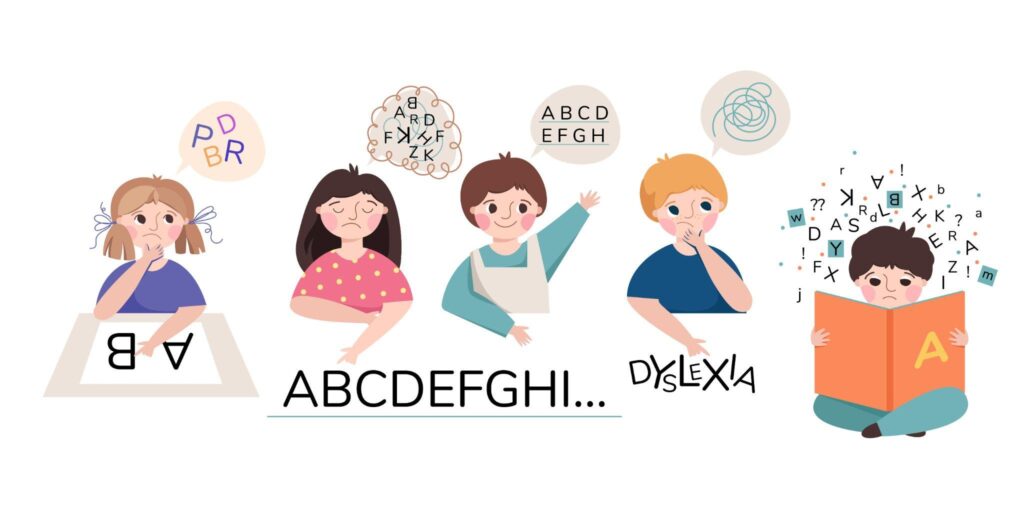
- Difficulty recognizing letters and sounds
- Problems with rhyming or phonemic awareness
- Struggles with writing, copying, or drawing shapes
- Difficulty understanding basic math concepts
These challenges often persist despite repeated practice and may lead to frustration or avoidance of learning activities.
Understanding Emotional and Behavioral Indicators
Learning challenges do not only affect academics; they also impact a child’s emotional health. Children who struggle to keep up may feel anxious, embarrassed, or discouraged. Emotional and behavioral signs may include:
- Avoidance of schoolwork or learning tasks
- Frequent frustration, crying, or meltdowns
- Low self-confidence or negative self-talk
- Increased anxiety related to school
These behaviors are often misunderstood as laziness or stubbornness, but they may be emotional responses to learning difficulties.

Noticing Social and Interaction Difficulties
Learning challenges can influence how children interact with peers and adults. Communication difficulties or processing delays may make social situations more challenging. Some social signs include:
- Difficulty understanding group instructions
- Trouble participating in classroom discussions
- Challenges in forming or maintaining friendships
- Withdrawal or isolation in group settings
Early support helps children develop not only academic skills but also social confidence and emotional resilience.
The Importance of Professional Evaluation
When multiple signs appear consistently, a professional assessment is essential. A comprehensive evaluation helps identify the child’s learning profile, strengths, and specific areas of difficulty. Assessments may include:
- Developmental and Cognitive Evaluations
These assessments examine overall development, thinking skills, attention, memory, and problem-solving abilities. - Speech and Language Assessments
These evaluations identify difficulties in communication, comprehension, and language processing that may affect learning. - Occupational Therapy Assessments
These focus on fine motor skills, sensory processing, and daily functioning that support academic performance. - Academic Skill Screenings
These help assess early reading, writing, and numeracy skills to identify learning gaps.
Early diagnosis allows for personalized intervention plans that support long-term success.
How Nurturers Help Children Overcome Learning Challenges?
At Nurturers, we take a holistic and child-centered approach to identifying and supporting learning challenges. Our experienced professionals conduct detailed assessments and design individualized intervention plans tailored to each child’s unique needs.
Individualized Assessment – Each child undergoes a detailed developmental and learning assessment to understand strengths, challenges, and learning patterns.
Personalized Intervention Plans – Customized therapy programs are designed to strengthen core learning areas such as attention, language, memory, and pre-academic skills.
Parent Guidance and Support – Parents are guided with practical strategies and home-based activities to ensure consistency and long-term progress.
Emotional and Social Development – We focus on building confidence, emotional resilience, and positive social skills alongside academic growth.
Our goal is to support overall development and help children thrive in both learning and everyday life.
Why Early Identification Matters More Than Ever in 2026?
With increased academic demands and early exposure to learning environments, identifying learning challenges early has become crucial in 2026. Research shows that early intervention leads to improved academic performance, better emotional regulation, stronger social skills, and reduced long-term learning difficulties. Early action ensures that children receive support before challenges begin to affect self-esteem and motivation.
Conclusion
Identifying early signs of learning challenges is a powerful step toward shaping a child’s future positively. Awareness, observation, and timely professional support can make a lifelong difference. Learning challenges do not define a child’s potential; understanding and early intervention unlock it. At Nurturers, we are committed to guiding children and families with expertise, empathy, and evidence-based care.