Autism Spectrum Disorder (ASD) is often misunderstood due to widespread myths and half-truths. Many parents feel confused or even blame themselves after hearing inaccurate information about autism. Understanding the real, scientifically proven reasons for autism helps parents replace fear with clarity and focus on early support instead of guilt. At Nurturers, our goal is to educate families with evidence-based knowledge and guide them toward the right intervention at the right time.
What Is Autism Spectrum Disorder?
Autism Spectrum Disorder is a neurodevelopmental condition that affects communication, social interaction, behavior, and sensory processing. It begins during early brain development, often before birth, even though signs may become noticeable between 1.5 and 3 years of age. Autism is called a “spectrum” because its symptoms and severity vary widely among children. Some children may need significant support, while others may function independently with mild challenges.
- Differences in verbal and non-verbal communication, such as delayed speech or limited use of gestures.
- Challenges with social interaction, including difficulty understanding social cues or maintaining eye contact.
- Repetitive behaviors or restricted interests, such as repeating actions or routines.
- Sensory sensitivities, including over- or under-reaction to sounds, lights, textures, or touch.
- Difficulty with changes in routine or transitions.
Some children with autism may require significant therapeutic and educational support in daily life, while others may function independently with mild challenges. This wide variation is why individualized assessment and therapy planning are essential.
Common Myths About Autism
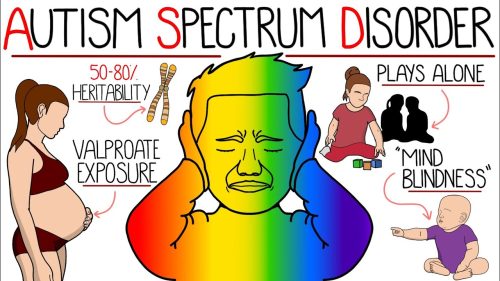
Despite increasing awareness, many myths about autism continue to circulate and often create unnecessary fear, confusion, and guilt among parents. These misconceptions can delay diagnosis and prevent families from seeking timely professional support.
Myth: Bad parenting causes autism
Scientific research clearly shows that parenting style, emotional bonding, or discipline methods do not cause autism. Autism develops due to neurological differences, not upbringing.
Myth: Vaccines cause autism
This is one of the most harmful myths. Extensive global research has confirmed that vaccines do not cause autism. There is no scientific link between immunization and ASD.
Myth: Screen time causes autism
Excessive screen exposure may affect speech or attention skills, but it does not cause autism. Autism-related traits are present even before screen exposure begins.
Myth: Autism is a rare condition
Autism is more common than many people realize. Increased awareness and better diagnostic tools have led to more accurate identification, not an actual increase in cases.
By addressing these myths with scientific facts, parents can focus on early evaluation, evidence-based therapy, and creating a supportive environment for their child.
Scientific Facts: Real Reasons for Autism
Scientific research clearly shows that autism develops due to a combination of genetic and biological factors that influence early brain development. These differences begin before or shortly after birth and affect how the brain grows, connects, and processes information. Autism is not caused by a single factor but results from multiple influences working together. The most well-established scientific reasons include:
- Genetic factors, as autism often runs in families
- Multiple gene involvement, not a single autism gene
- Differences in brain connectivity, affecting communication between neurons
- Variations in sensory processing and information regulation
Together, these scientific factors explain why autism presents differently in every child and why symptoms can range from mild to more significant. This biological diversity is also the reason personalized assessment and individualized therapy approaches are essential for effective support.
Prenatal and Biological Factors That May Increase Risk
While genetics play a major role, certain prenatal and biological conditions may increase the likelihood of autism when combined with genetic susceptibility. Some contributing factors include:
- Advanced maternal or paternal age, as studies suggest that genetic changes associated with older parental age may slightly increase the risk of neurodevelopmental differences in children.
- Complications during pregnancy or delivery, such as high blood pressure, gestational diabetes, or prolonged labor, which may affect the developing brain under certain conditions.
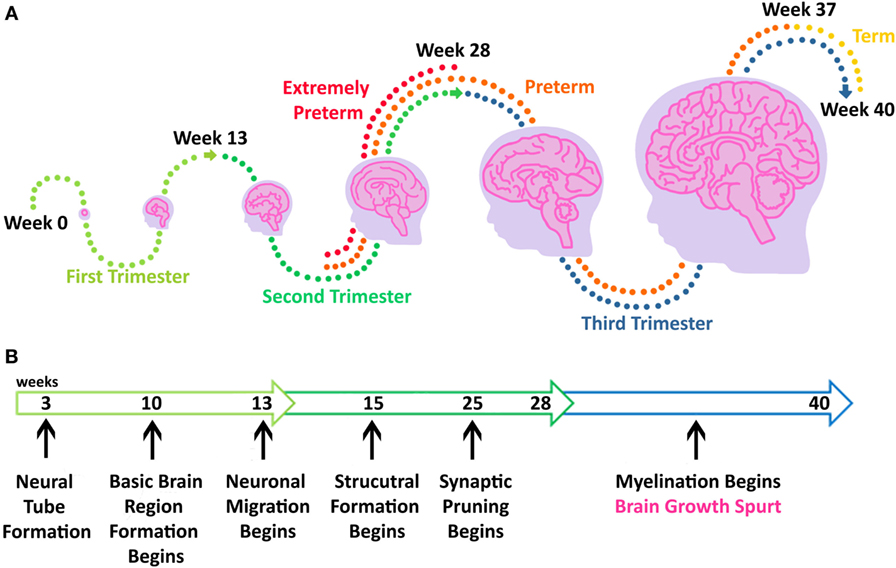
- Premature birth or low birth weight, as early birth can interrupt critical stages of brain development, making some children more vulnerable to developmental challenges.
- Exposure to certain infections during pregnancy, particularly untreated infections that may impact fetal brain development during sensitive growth periods.
It is important to understand that these factors do not directly cause autism but may increase vulnerability in some children.
Why Autism Looks Different in Every Child?
Autism affects each child uniquely because brain development varies from person to person. Some children may have strong cognitive skills but struggle with social interaction, while others may have speech delays, sensory sensitivities, or repetitive behaviors. This variability is the reason personalized therapy plans are essential for meaningful progress.
Early Signs Linked to Brain Development
Because autism is linked to early neurological and brain development, its signs usually appear in early childhood, often within the first few years of life. Paying attention to early developmental patterns is essential for timely support.Common early signs include:
- Delayed or limited speech development, such as not using words by the expected age, limited babbling, or difficulty forming meaningful sentences.
- Poor eye contact or limited social engagement, including reduced interest in interacting with caregivers, limited smiling, or difficulty sharing attention.
- Difficulty responding to their name, even when hearing appears normal, which may indicate challenges with attention or social awareness.
- Repetitive movements or behaviors, such as hand flapping, rocking, spinning objects, or repeating the same actions consistently.
- Sensitivity to sounds, lights, or textures, where a child may become distressed by loud noises, bright lights, certain clothing fabrics, or physical touch.
Early recognition of these signs allows parents to seek professional evaluation without delay. Early assessment does not mean labeling a child too soon; instead, it opens the door to early intervention, which plays a crucial role in improving long-term developmental outcomes.
Why Early Intervention Matters More Than Knowing the Cause?
While understanding the reasons for autism is important, early intervention has a far greater impact on a child’s development. Research shows that structured therapies can significantly improve communication, behavior, learning ability, and independence. Effective interventions may include:
- ABA therapy to improve behavior and learning skills
- Speech therapy to enhance communication
- Occupational therapy to support daily living and sensory integration
- Special education programs tailored to individual needs
Starting therapy early helps children build strong developmental foundations, increases long-term progress, and improves overall quality of life. With the right support at the right time, children with autism can achieve meaningful growth and reach their full potential.
How Nurturers Supports Children With Autism?
At Nurturers, we provide comprehensive, evidence-based autism therapy in a supportive, structured, and child-friendly environment. Our approach focuses on understanding each child’s unique strengths, challenges, and developmental needs rather than following a one-size-fits-all model. We believe every child has the potential to grow when given the right guidance and consistent support.
Our multidisciplinary team works closely with families to design personalized therapy programs that address communication skills, social interaction, emotional regulation, behavior management, and independence in daily life. Therapies are carefully planned and monitored to ensure steady progress while maintaining a nurturing and positive learning experience for the child.
Conclusion
Autism is not caused by myths, mistakes, or parental choices. It is a neurodevelopmental condition influenced mainly by genetics and early brain development. By understanding scientific facts and rejecting misinformation, parents can move forward with confidence and clarity. With early diagnosis, professional therapy, and consistent support, children with autism can achieve meaningful growth and lead fulfilling lives.