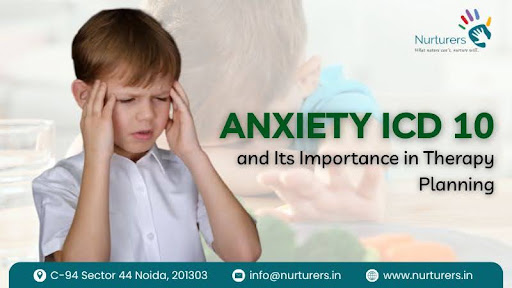
Anxiety disorders affect emotional health, learning ability, behavior, and overall quality of life across all age groups. In children, anxiety often goes unnoticed or is misunderstood as stubbornness, shyness, or behavioral issues. In adults, it may be mistaken for stress or physical health problems. Because anxiety presents differently in each individual, accurate diagnosis becomes the cornerstone of effective therapy. The ICD 10 classification system provides a structured, internationally recognized framework for identifying anxiety disorders and guiding therapy planning. Understanding Anxiety ICD 10 helps therapists move beyond surface-level symptoms and design targeted, evidence-based interventions.
What Is ICD 10 and Why Is It Used in Mental Health Care?
The International Classification of Diseases, 10th Revision (ICD 10) is a diagnostic system developed by the World Health Organization and used globally by healthcare professionals. In mental health care, ICD 10 offers standardized diagnostic criteria that help reduce misdiagnosis and ensure consistency across clinicians and therapy centers. For anxiety disorders, ICD 10 defines symptom patterns, duration, and functional impact, allowing therapists to distinguish between temporary emotional responses and clinically significant anxiety that requires intervention.
How Anxiety Is Classified in ICD 10?
In ICD 10, anxiety disorders fall mainly under the F40–F48 category, which includes neurotic, stress-related, and somatoform disorders. This classification recognizes that anxiety is not a single condition but a spectrum of disorders with different triggers, intensity levels, and functional effects. Some anxiety disorders are linked to specific situations, such as social settings or separation, while others involve persistent worry without a clear cause. ICD 10 helps clinicians identify these patterns systematically rather than relying only on subjective interpretation. Key aspects considered in ICD 10 anxiety classification include:
- The primary triggers of anxiety, whether internal worries or external situations.
- The frequency and duration of anxiety symptoms.
- The presence of physical symptoms such as palpitations, sweating, or gastrointestinal discomfort.
- The level of avoidance behavior and functional impairment.
- The coexistence of anxiety with other emotional or developmental conditions.
By identifying these patterns systematically, ICD 10 enables clinicians to distinguish between different anxiety presentations, rule out overlapping conditions, and design therapy plans that are both structured and individualized.

Detailed Understanding of Common Anxiety ICD 10 Diagnoses
Generalized Anxiety Disorder (F41.1) is diagnosed when an individual experiences excessive and uncontrollable worry across multiple areas of life for an extended period. This may include constant fear about health, academics, social interactions, or future events, often accompanied by restlessness, fatigue, and sleep disturbances.
Panic Disorder (F41.0) involves recurrent panic attacks that appear suddenly and are often accompanied by physical symptoms such as chest pain, rapid heartbeat, dizziness, and breathlessness. These symptoms can be frightening and may lead to avoidance behaviors, especially in children who struggle to explain their experiences.
Phobic Anxiety Disorders (F40) include intense and irrational fear of specific objects or situations, such as social interactions, crowded places, or separation from caregivers. These fears significantly interfere with daily activities and are not easily outgrown without therapeutic support.
Mixed Anxiety and Depressive Disorder (F41.2) is diagnosed when symptoms of anxiety and depression coexist but do not fully meet the criteria for either condition alone. This diagnosis is particularly important in therapy planning, as treatment must address both emotional states simultaneously.
Anxiety ICD 10 and Its Role in Child Development
In children, anxiety can impact speech development, attention span, academic performance, and social interaction. Children may show avoidance of school, reluctance to speak, frequent emotional outbursts, or physical complaints such as stomach aches. ICD 10 helps therapists differentiate anxiety from developmental conditions such as autism spectrum disorder, speech delay, or ADHD, which may present overlapping behaviors. This distinction is critical to prevent inappropriate therapy approaches and ensure developmental needs are addressed accurately.
Co-Occurring Conditions and ICD 10 Considerations
Anxiety often coexists with other conditions, including autism spectrum disorder, learning difficulties, sensory processing challenges, and emotional regulation disorders. ICD 10 allows clinicians to document both primary and associated diagnoses, creating a clearer clinical picture. This is especially important in therapy centers where multiple specialists are involved, as it ensures interventions are coordinated rather than conflicting.
How ICD 10 Guides Multidisciplinary Therapy Approaches
Effective anxiety management often requires a multidisciplinary approach. ICD 10 coding helps align therapy goals across psychology, occupational therapy, speech therapy, and special education. For example, if anxiety affects sensory processing, occupational therapy may focus on regulation strategies, while psychological therapy addresses emotional coping skills. ICD 10 acts as a shared language that keeps all professionals working toward common outcomes. Key ways ICD 10 supports multidisciplinary therapy include:
- Establishing a unified diagnosis understood by all professionals involved.
- Aligning therapy goals across emotional, behavioral, sensory, and communication domains.
- Helping therapists prioritize interventions based on functional impact.
- Supporting coordinated progress monitoring across multiple therapies.
- Enhancing communication between therapists, parents, and educators.
By acting as a shared clinical language, ICD 10 keeps all professionals focused on common outcomes such as emotional regulation, confidence building, improved participation, and functional independence.
Importance of ICD 10 in Therapy Documentation
ICD 10 is not only used for diagnosis but also for documenting therapy progress and clinical decision-making. Therapists use ICD 10 frameworks to assess symptom severity at the start of therapy and measure improvement over time. This structured tracking helps determine whether therapy goals are being met or if adjustments are required. It also supports continuity of care when clients transition between professionals or therapy programs.
Anxiety Assessment and Individualized Therapy at Nurturers
At Nurturers, anxiety assessment is conducted using a comprehensive and compassionate approach. Our professionals integrate ICD 10 diagnostic guidelines with developmental evaluations, behavioral observations, and parent interviews. Therapy plans are personalized to address emotional regulation, confidence building, coping strategies, and daily functioning. By grounding therapy planning in ICD 10 standards, we ensure clarity, consistency, and long-term effectiveness in treatment outcomes.
Long-Term Benefits of ICD 10–Based Anxiety Therapy
When therapy is guided by accurate ICD 10 diagnosis, individuals benefit from structured intervention, measurable progress, and improved emotional resilience. Over time, therapy helps reduce anxiety intensity, improve self-regulation skills, and enhance participation in academic, social, and family life. ICD 10-based planning ensures that therapy evolves alongside the individual’s developmental and emotional needs.
Conclusion
Anxiety ICD 10 plays a crucial role in accurate diagnosis, effective therapy planning, and long-term progress monitoring. By providing a standardized framework, ICD 10 helps therapists understand the unique presentation of anxiety in each individual and select appropriate interventions. At Nurturers, we combine ICD 10–guided assessment with empathetic, child-centered therapy to support emotional well-being, confidence, and healthy development.