Understanding the causes of disability in children is essential for promoting early detection, preventive care, and timely intervention. It’s important to understand what disability is, recognize the various types of disabilities in children, and be aware of the many potential causes of disability. Childhood disabilities can stem from several underlying factors, including genetic and chromosomal abnormalities, prenatal complications, maternal infections, exposure to harmful substances during pregnancy, and issues that occur during birth such as oxygen deprivation or premature delivery. In some cases, disabilities also develop after birth due to infections, injuries, malnutrition, or environmental toxins that affect a child’s growth and neurological development.
These factors can impact a child’s physical abilities, learning capacity, communication, behaviour, or overall developmental milestones. By recognising these causes early, parents and caregivers can access medical assessments, therapies, and specialised support that significantly enhance long-term outcomes. Increased awareness also helps families adopt preventive measures—such as proper prenatal care, timely vaccinations, safe environments, and regular developmental check-ups—to reduce risk and support every child’s healthy development.
What is Disability?
Before diving into the root causes, it’s important to understand what disability is. Disability refers to a physical, cognitive, sensory, or emotional condition that restricts an individual’s ability to perform certain everyday activities. In children, this might manifest as delays in learning, difficulties in movement, speech challenges, or behavioral issues.
Disabilities can be temporary or permanent, visible or invisible, and may affect a child’s social development, academic performance, or physical growth. Disabilities may be:
- Congenital (present at birth)
- Acquired (developing later due to illness, injury, or environmental causes)
- Temporary or Permanent
- Mild, Moderate, or Severe
Children with disabilities may have difficulty with movement, learning, communication, social interaction, or behavior. Importantly, disability is not an illness—it is a condition that may coexist with good health and well-being if appropriately managed.
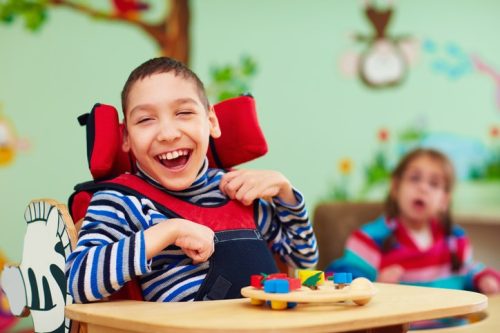
Types of Disabilities in Children
There is a wide range of types of disabilities in children, and each comes with unique characteristics and support needs. Here are the most recognized categories:
1. Physical Disabilities
These affect mobility, physical capacity, or physical coordination. Examples include:
- Cerebral Palsy: A group of disorders affecting movement and muscle tone.
- Spina Bifida: A spinal condition that affects physical function and can cause paralysis
- Muscular Dystrophy: A genetic condition causing muscle weakness over time.
2. Intellectual Disabilities
These involve limitations in intellectual functioning and adaptive behaviors. Children may have:
- Delayed developmental milestones
- Trouble with communication, learning, or problem-solving
Examples: Down syndrome, Fragile X syndrome, Global developmental delay
3. Sensory Disabilities
These affect a child’s ability to use one or more of the five senses:
- Visual Impairments: Ranging from partial sight to total blindness
- Hearing Impairments: Including partial hearing loss or complete deafness
These children may require assistive technologies like hearing aids, Braille, or sign language.
4. Learning Disabilities
These are neurological disorders that affect how information is received, processed, and communicated. Common examples include:
- Dyslexia (reading)
- Dyscalculia (math)
- Dysgraphia (writing)
Despite having average or above-average intelligence, these children struggle in specific academic areas.
5. Developmental Disabilities
These conditions begin in childhood and affect multiple areas of development. The most well-known examples include:
- Autism Spectrum Disorder (ASD): Affects communication, social interaction, and behavior
- ADHD (Attention Deficit Hyperactivity Disorder): Involves difficulties in attention, impulse control, and hyperactivity
6. Emotional and Behavioral Disorders
These disabilities affect emotional regulation and interpersonal relationships. Examples:
- Anxiety Disorders
- Depression
- Oppositional Defiant Disorder (ODD)
Such children may exhibit aggression, withdrawal, mood swings, or attention problems.

Causes of Disability in Children
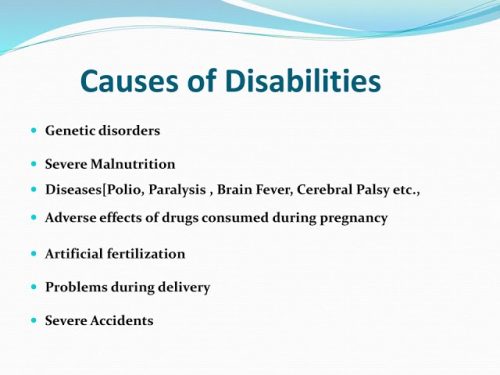
The causes of disability in children are varied and may arise from biological, environmental, social, or accidental factors. Here’s a deeper look into the key causes:
1. Genetic and Chromosomal Disorders
Many disabilities are inherited or stem from genetic mutations. For instance:
- Down Syndrome results from an extra copy of chromosome 21.
- Tay-Sachs disease and Fragile X syndrome are other examples of inherited conditions.
Modern prenatal testing can identify some genetic disorders early, allowing for informed decision-making and early interventions.
2. Prenatal Risk Factors
Disabilities can occur before birth due to:
- Poor maternal nutrition
- Exposure to toxins or alcohol (e.g., Fetal Alcohol Syndrome)
- Maternal infections such as rubella, toxoplasmosis, or Zika virus
- Gestational diabetes or other untreated maternal health conditions
3. Complications During Birth
Obstetric complications can lead to brain damage or physical trauma:
- Oxygen deprivation (birth asphyxia)
- Premature birth (especially before 32 weeks)
- Low birth weight
- Use of forceps or vacuum during delivery
These can result in conditions like cerebral palsy or developmental delays.
4. Postnatal Factors and Illnesses
Certain conditions acquired after birth can result in disability:
- Infections: Meningitis, encephalitis, or polio
- Head injuries: Falls, abuse (shaken baby syndrome), or car accidents
- High fevers or seizures in infancy
5. Malnutrition
In low-income settings, chronic malnutrition can stunt brain development and physical growth, increasing the risk of intellectual and physical disabilities. Key deficiencies include iodine, iron, and folic acid.
6. Environmental and Socioeconomic Conditions
Living conditions significantly influence child development. Risk factors include:
- Exposure to lead, mercury, or pesticides
- Unsafe drinking water
- Poor access to healthcare
- Neglect or abuse, which can affect emotional and behavioral development
7. Psychosocial Causes
Children in unsafe or emotionally unstable environments may develop behavioral or developmental disorders. Lack of early stimulation (like talking, reading, or playing) can delay language and cognitive skills.
Early Detection and Intervention
Early identification of disabilities is essential for timely intervention. Signs to watch for include:
- Not reaching developmental milestones
- Trouble seeing, hearing, or speaking
- Behavioral issues or hyperactivity
- Poor academic performance
- Difficulty socializing or forming relationships
Tools and Programs:
- Developmental screening by pediatricians
- Special Education Needs (SEN) assessments
- Early intervention programs (speech therapy, occupational therapy)
At Nurturers, we advocate for inclusive education, family counseling, and therapy services to support each child’s unique needs.
Conclusion
Disabilities in children can arise from many different factors—from genetic inheritance to environmental risks. Understanding what is disability, identifying the types of disabilities in children, and recognizing the causes of disability are crucial steps in creating inclusive environments where all children can thrive.
With early support, access to healthcare, and compassionate care, children with disabilities can achieve great potential. At Nurturers, our mission is to empower families and communities to nurture every child—because every child deserves to shine.