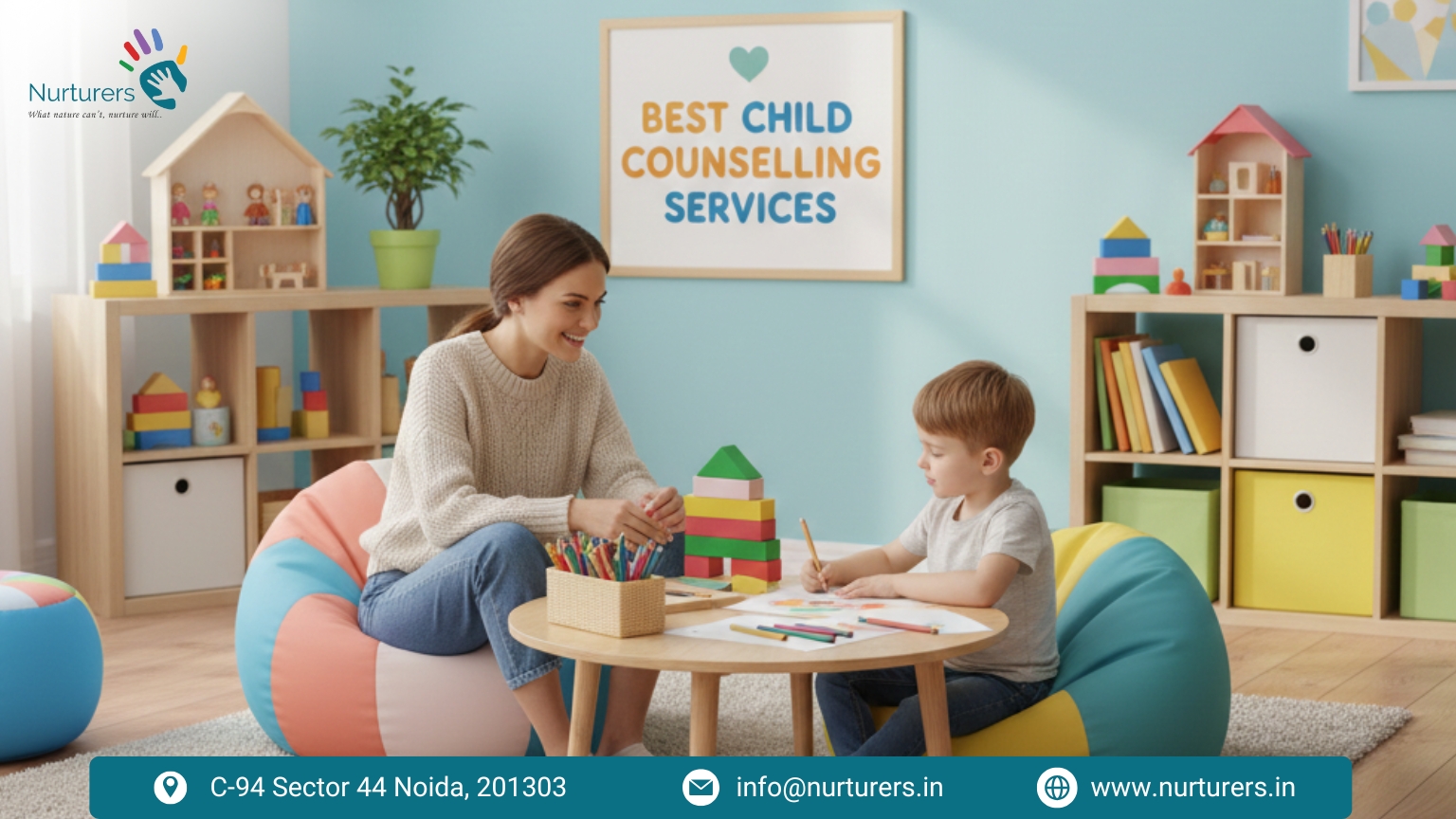
Child counselling services in Noida play a vital role in supporting children who face emotional, behavioural, social, or developmental challenges. With rising academic pressure, fast-paced lifestyles, and increasing awareness of mental health, many parents seek professional guidance to help their children manage anxiety, behavioural issues, learning difficulties, or developmental conditions like Autism and ADHD. Through techniques such as play therapy, behavioural counselling, and emotional guidance, counsellors help children understand their feelings, develop coping skills, and improve communication and social interaction.
The best child counselling centres in Noida offer a personalised and child-friendly environment where trained child psychologists and therapists work closely with the family. These centres focus on early assessment, structured therapy plans, and regular parent involvement to ensure long-term improvement. By combining emotional support with evidence-based practices, top child counselling services help children build confidence, reduce behavioural concerns, and enhance their overall development and well-being.
What Is Child Counselling?
Child counselling is a specialised therapeutic approach that helps children understand their emotions, express themselves safely, and overcome behavioural or psychological challenges. Since children often communicate through behaviour rather than words, counselling uses child-friendly techniques like play, art, storytelling, and interactive activities to help them open up. It supports children dealing with stress, anxiety, anger, low confidence, learning issues, social difficulties, or family changes, and guides them toward healthier emotional development.
Key Points About Child Counselling
- Helps children express emotions they cannot verbalise
- Uses play, art, and creative activities to explore feelings
- Addresses behavioural concerns, emotional stress, and social challenges
- Supports children dealing with school pressure or family issues
- Focuses on building emotional regulation, confidence, and healthy coping skills
- Encourages better behaviour, communication, and self-control

Why Do Children Need Counselling?
As children grow, they deal with several emotional and developmental changes. Sometimes these emotions become overwhelming. Counselling helps them develop the ability to express themselves clearly, control impulses, improve social skills, and respond to situations calmly.
Common reasons for seeking counselling include:
- Sudden changes in behaviour such as anger, withdrawal, irritability, or aggression
- Difficulty adjusting to school routines, peer groups, or family changes
- Struggles with concentration, learning, or homework
- Loss of interest in activities or lack of confidence
- Over-dependence on gadgets or social media
- Persistent sadness, fear, or anxiety
- Trouble communicating needs or forming friendships
When these signs appear, early intervention through counselling for child behaviour helps children develop stronger emotional foundations and prevents long-term complications.
Why Choose Nurturers for Child Counseling in Noida?
Nurturers stands out as one of the most trusted centres for child counseling in Noida with a team of trained psychologists, behavioural therapists, and child development experts. What makes Nurturers unique is its personalised approach and deep understanding of child psychology. Nurturers provides:
- Evidence-based therapeutic techniques
- A calm and interactive environment designed specially for kids
- Strong parent involvement in every step
- Goal-oriented therapy plans tailored to the child’s unique needs
- A multi-disciplinary team with expertise in psychology, behaviour therapy, special education, and child development
Our mission is not just to solve problems, but to ensure long-term emotional wellness and healthy development.
Step-by-Step Process of Child Counselling at Nurturers
The step-by-step process of child counselling at Nurturers ensures personalised, structured, and effective support for every child. It begins with a detailed parent consultation, followed by child assessment, goal-setting, and one-on-one counselling sessions using age-appropriate techniques.
Step 1: Initial Parent Consultation
The process begins with a detailed conversation with parents. They share their concerns about the child’s emotions, routine, school life, behaviour patterns, sleep habits, and any significant life events. This helps the therapist understand the child’s background, personality, and triggers.
Parents are encouraged to speak openly and honestly without fear of judgement. This step forms the foundation for creating an effective counselling plan.
Step 2: Child Assessment and Behavioural Screening
Using play-based observation, interactive activities, conversation, and standard psychological tools, the therapist assesses:
- Emotional stability
- Social and communication skills
- Behavioural patterns
- Attention and concentration levels
- Coping skills
- Learning challenges
- Sensory behaviour or developmental delays
These assessments allow the therapist to gain insight into the child’s inner world and identify the root cause of their behavioural or emotional difficulties.
Step 3: Counselling Plan and Goal Setting
After assessment, a personalised counselling plan is created. This plan includes emotional, behavioural, and social goals. Goals may include:
- Reducing anxiety or fear
- Improving attention span
- Managing anger or aggression
- Boosting self-confidence
- Enhancing communication skills
- Building social interaction
- Developing emotional control
This step ensures that therapy becomes meaningful, structured, and solution-oriented.
Step 4: One-on-One Counselling Sessions
These sessions are personalised to each child’s age, comfort level, and individual needs, ensuring a safe space where growth and learning happen naturally.
Play Therapy – Children use toys, games, puppets, and gestures to communicate feelings indirectly. This method is extremely effective for younger children who struggle to explain their emotions verbally and helps the therapist understand their inner world.
Art and Music Therapy – Drawing, painting, clay modelling, rhythmic activities, and music help children release stress, express hidden emotions, and enhance creativity while also improving focus and emotional balance.
Behaviour Therapy – Behaviour charts, reinforcement strategies, and behaviour modelling teach children self-control, following instructions, and developing positive habits. It is especially helpful in counselling for child behaviour issues such as aggression, hyperactivity in children, defiance, or impulsive behaviour.
Social Skills Training – Role-play, storytelling, and real-life scenarios help children learn how to interact politely, make friends, share, cooperate, and build stronger confidence in social situations.
Cognitive-Behavioural Techniques (CBT) – CBT helps children identify their thoughts, understand how these thoughts affect their actions, and replace negative patterns with positive, healthy thinking. It works well for children dealing with anxiety, fears, self-doubt, or emotional imbalance.
Emotional Regulation Activities – Breathing exercises, mindfulness, relaxation techniques, guided visualisation, and calm-down strategies help children manage strong emotions, reduce stress, and respond to situations more calmly and confidently.
Step 5: Parent Counselling and Home-Based Strategies
Parents are always part of the process. The therapist guides parents on:
- Setting healthy boundaries
- Using positive parenting methods
- Reducing yelling or negative reinforcements
- Responding calmly to behavioural issues
- Maintaining a balanced routine at home
- Managing screen time
- Creating emotional security for the child
These strategies help create consistency and allow children to progress faster.
Step 6: Progress Review and Course Correction
Every few weeks, the child’s progress is reviewed. If necessary, the counselling plan is updated based on improvements or new challenges. This ensures that therapy remains effective, relevant, and aligned with the child’s overall development.
What Problems Does Child Counselling Address?
At Nurturers, child counselling effectively supports children facing a wide range of emotional, behavioural, and social challenges. Therapy helps identify the root cause of these concerns and offers personalised strategies that guide children toward healthier behaviour and emotional stability.
- Anger issues, aggression, and defiance
- Anxiety, fears, phobias, and separation anxiety
- Mood swings or emotional instability
- Difficulty making friends or poor social skills
- School-related challenges like bullying, exam pressure, or learning struggles
- Screen addiction or gadget dependency
- Sibling rivalry or family adjustment issues
- Low self-esteem, lack of motivation, or withdrawal
Through personalised counselling for child behaviour, children learn to manage emotions better, respond positively, and develop healthy coping skills.
Benefits of Child Counselling at Nurturers
Child counselling offers a wide range of short-term and long-term benefits that support a child’s emotional, behavioural, and social development. With consistent guidance, children begin to understand their feelings better and respond to situations in healthier ways.
- Improved emotional balance and better control over feelings
- Better communication and expression
- Stronger confidence and self-esteem
- Reduced behaviour problems
- Improved parent-child bonding
- Better academic performance due to improved attention
- Healthier social interactions
- Enhanced problem-solving skills
Over time, counselling helps children form a strong emotional foundation that supports them throughout life.
Conclusion
Every child deserves emotional security, confidence, and the right guidance to grow into a happy and balanced individual. With professional child counseling in Noida at Nurturers, parents can be assured that their child is receiving specialised, compassionate, and meaningful support.
A small step towards counselling today can prevent bigger emotional struggles tomorrow and help children build a healthier, more confident future.