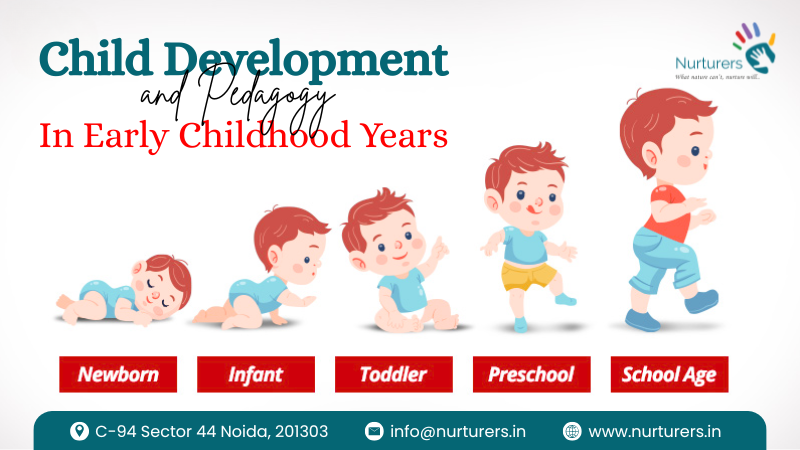
Early childhood is a crucial period that shapes a child’s physical, cognitive, emotional, and social future. A strong understanding of child development and pedagogy during these early years helps parents, special educators, and therapists support children in a scientifically appropriate and emotionally nurturing way. At Nurturers, we follow evidence-based developmental practices that align learning methods with a child’s natural growth patterns.
What Is Child Development and Pedagogy?
Child development and pedagogy refers to the study of how children grow, learn, and behave, combined with teaching approaches designed according to developmental readiness. Pedagogy in early childhood focuses on learning through engagement rather than instruction alone. Effective pedagogy supports:
- Cognitive development and problem-solving skills
- Language and communication growth
- Emotional regulation and social understanding
- Curiosity, creativity, and independent thinking
When learning methods match developmental ability, children gain confidence and develop a positive relationship with learning.
Why Early Childhood Is Critical for Child Growth and Development?
The early years, particularly from birth to six years, are marked by rapid child growth and development. During this stage, brain development is highly sensitive to experiences, relationships, and the surrounding environment. Key areas of development during early childhood include:
- Physical growth and motor skill development, which help children gain strength, balance, and coordination
- Speech and language acquisition, supporting communication, understanding, and expression
- Emotional bonding and self-regulation, enabling children to manage feelings and build secure relationships
- Social interaction and behavior patterns, which shape cooperation, empathy, and social confidence
Positive early experiences strengthen neurological pathways and support long-term learning success.
Understanding Child Development Stages
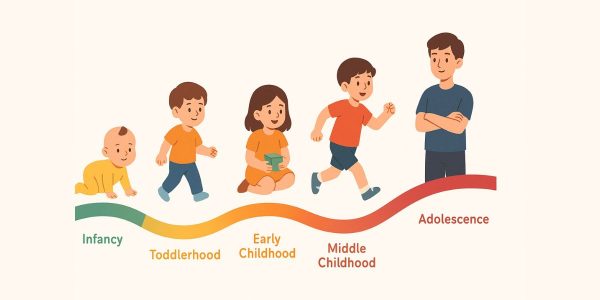
Awareness of child development stages allows parents and professionals to understand age-appropriate expectations and identify concerns early. Each stage has distinct developmental characteristics:
- Infancy (0–1 year): This stage focuses on sensory exploration, emotional attachment, and the development of basic motor skills such as rolling, sitting, and crawling. Consistent caregiving and responsive interaction are essential during this period.
- Toddlerhood (1–3 years): Children begin developing speech and language, improved mobility, and a growing sense of independence. Curiosity increases, and toddlers start exploring their environment while learning basic social and communication skills.
- Preschool years (3–6 years): Rapid cognitive growth occurs during this stage, along with the development of social skills, emotional awareness, imagination, and early learning abilities. Children become more expressive, cooperative, and capable of structured learning experiences.
Supporting children according to their developmental stage helps them build skills gradually, reduces frustration, and encourages healthy progress without unnecessary pressure.
Role of Pedagogy in Early Learning
Pedagogy plays a critical role in transforming natural curiosity into structured learning. Developmentally appropriate pedagogy in early childhood focuses on:
- Play-based and experiential learning
- Storytelling, music, and creative activities
- Social interaction and cooperative play
- Learning through real-life experiences
These methods improve attention span, communication skills, and emotional resilience while keeping learning enjoyable.
Importance of a Child Development Center
A professional child development center supports children who require additional guidance in reaching developmental milestones. Such centers provide structured evaluations and individualized intervention plans. Benefits of enrolling in a child development center include:
- Early identification of developmental delays, allowing timely and effective intervention
- Personalized therapy and learning programs designed to support the child’s specific needs
- Multidisciplinary support from trained professionals such as therapists, educators, and specialists
- Guidance and counseling for parents and caregivers to reinforce progress at home
At Nurturers, we emphasize early, evidence-based support to help children develop essential skills and build strong developmental foundations for future learning.
Nutrition and Child Brain Development Food
Nutrition plays a vital role in supporting cognitive and neurological growth. Proper child brain development food fuels brain function, learning capacity, and emotional stability. Essential nutrients for early brain development include:
- Omega-3 fatty acids, which support memory, focus, and overall brain communication
- Proteins, essential for brain cell growth and the development of neurotransmitters
- Iron and zinc, which play a key role in cognitive processing, concentration, and energy levels
- Vitamins and minerals, supporting overall brain health and nervous system function
A balanced diet enhances both physical health and learning potential during early childhood.
How Parents Can Support Child Development at Home?
Parents play an essential role in supporting development beyond therapy and schooling. Simple daily practices can significantly influence outcomes, such as:
- Talking, reading, and interacting regularly with the child
- Encouraging play, exploration, and creativity
- Maintaining consistent routines and emotional support
- Providing nutritious meals and a safe environment
Active parental involvement strengthens learning and emotional security.
Importance of Early Identification and Intervention
Early identification of developmental concerns allows timely intervention during critical learning windows when a child’s brain is most adaptable. Addressing challenges early helps prevent minor delays from becoming long-term difficulties and supports steady developmental progress. Early intervention plays a crucial role in overall child development and helps:
- Reduce long-term learning and behavioral challenges by addressing concerns at the right time
- Improve speech, motor skill, and social skills through structured and targeted support
- Enhance school readiness, independence, and self-confidence
- Support smoother academic and social transitions as children grow
When early intervention is combined with developmentally appropriate pedagogy and active family involvement, children are more likely to achieve positive and lasting developmental outcomes.
FAQ
What is child development and pedagogy?
Child development and pedagogy explains how children grow and learn, along with teaching methods that match their developmental needs in early childhood.
Why are child development stages important?
Child development stages help track age-appropriate milestones and identify delays early, allowing timely support and intervention.
How does a child development center help children?
A child development center provides professional assessment and early intervention to support a child’s overall growth and learning.
Conclusion
The early years form the foundation of lifelong learning and well-being. A comprehensive understanding of child development and pedagogy, recognition of child development stages, support for healthy child growth and development, access to a trusted child development center, and focus on proper child brain development food together ensure holistic development. At Nurturers, we are committed to guiding children through their early years with expertise, care, and evidence-based practices.