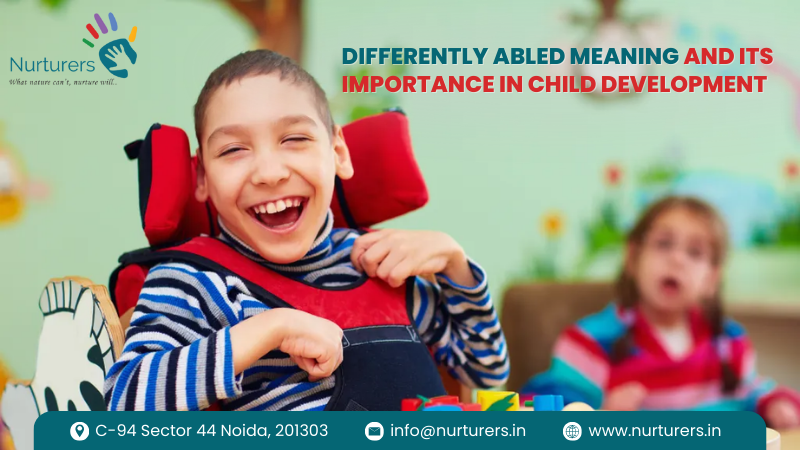
Differently abled refers to children who have physical, intellectual, sensory, or developmental differences, with a focus on their abilities rather than limitations. This term promotes a positive and respectful approach, encouraging society to recognize each child’s unique strengths and potential.
Understanding and supporting differently abled children is crucial for healthy child development. Early identification, acceptance, and appropriate support help build confidence, improve skills, and support emotional and social growth. An inclusive approach ensures that every child gets the opportunity to learn, grow, and thrive in their own way.
Differently Abled Meaning Explained
Differently abled refers to individuals, especially children, who experience variations in physical, cognitive, sensory, emotional, or developmental functioning. These differences may affect how a child learns, communicates, moves, or interacts socially. However, the term intentionally shifts focus away from disability and highlights that abilities may simply be different, not lesser.
Children considered differently abled may include those with autism spectrum disorder, ADHD, learning disabilities, speech and language delays, intellectual disabilities, cerebral palsy, hearing or visual impairments, and developmental delays. Each child’s condition presents uniquely, which means support and intervention must always be individualized rather than generalized.
Why Is the Term Differently Abled Is Important for Children?
Language deeply influences a child’s self-image and emotional development. When children are repeatedly described using negative or limiting terms, it can affect their confidence and motivation. The use of the term differently abled promotes dignity, positivity, and self-worth, helping children feel respected and accepted.
From an early age, children internalize how adults talk about them. Positive language fosters emotional security, while stigma can lead to anxiety, withdrawal, or low self-esteem. Using empowering terminology supports a child’s mental health and encourages active participation in learning and social environments.
Types of Challenges Faced by Differently Abled Children
Differently abled children may face challenges across multiple developmental areas, depending on their condition and environment. These challenges often include:
- Difficulties in speech, language, or communication skills
Some children may have delayed speech, limited vocabulary, or difficulty understanding and expressing language, which can affect social interaction and learning. - Challenges in attention, focus, or behavior regulation
Children may struggle to maintain attention, follow routines, or manage impulses, often requiring structured support and consistent guidance. - Delays in motor skills such as walking, writing, or coordination
Motor skill challenges may affect both large movements and fine motor tasks, impacting daily activities and academic performance. - Learning difficulties affecting reading, writing, or mathematics
Some children face challenges in processing information and understanding academic concepts, making individualized learning support essential. - Social interaction challenges, including peer relationships
Children may find it difficult to understand social cues or build friendships, which can influence emotional well-being.
Despite these challenges, many differently abled children show strengths in creativity, memory, problem-solving, music, art, or visual thinking. Recognizing and nurturing these strengths supports balanced development and confidence.
Importance of Early Childhood Development for Differently Abled Children
Early childhood is a critical period for brain development, making early identification and intervention extremely important for differently abled children. During this stage, the brain is highly adaptable, and appropriate support can significantly improve long-term outcomes.
Early intervention helps children develop foundational skills such as communication, self-care, emotional regulation, and learning readiness. It also reduces the risk of secondary difficulties such as academic struggles or behavioral challenges later in life.
Role of Therapies in Supporting Differently Abled Children
Therapeutic interventions play a vital role in supporting the overall development of differently abled children by addressing their specific challenges and strengthening essential life skills. Depending on the child’s individual needs, different therapies work together to promote balanced growth.
Speech therapy focuses on improving communication skills, including speech clarity, language understanding, vocabulary development, and social communication. It is especially helpful for children with speech delays, autism, or language processing difficulties.
Occupational therapy helps children develop fine motor skills, hand-eye coordination, sensory processing, and daily living abilities such as dressing, writing, and feeding. This therapy supports independence and confidence in everyday tasks.
Behavioral therapy works on improving attention, emotional regulation, and appropriate behavior. It helps children understand routines, manage emotions, and develop positive social behaviors through structured and consistent strategies.
Special education services are designed to support learning difficulties by adapting teaching methods to suit the child’s learning style. These services help children build academic skills at their own pace while reducing learning-related stress.
Sensory integration therapy supports children who have difficulty processing sensory information such as sound, touch, or movement. It helps them respond more calmly and appropriately to their environment, improving focus and participation.
When these therapies are provided consistently and supported by family involvement at home, children show better progress in communication, independence, and social interaction, leading to long-term developmental benefits.
Importance of Family Support and Awareness
Families are the first and most influential support system for differently abled children. A nurturing and understanding home environment helps children feel safe, accepted, and motivated to grow. Parents who educate themselves about their child’s condition are better equipped to advocate for appropriate services and interventions.
Family support also includes maintaining realistic expectations, celebrating small achievements, and providing emotional reassurance. When families focus on abilities rather than limitations, children develop resilience and a positive outlook toward challenges.
Inclusive Education and Social Acceptance
Inclusive education is essential for the social and emotional development of differently abled children. Studying alongside peers promotes interaction, communication skills, and emotional understanding. Inclusion also benefits other children by fostering empathy, respect, and diversity awareness.
Schools that implement inclusive practices, individualized education plans, and supportive teaching methods create opportunities for differently abled children to participate meaningfully in academics and social activities. Such environments prepare children for independent and confident adulthood.
How Nurturers Helps Differently Abled Children Thrive?
At Nurturers, we provide a holistic and child-centered approach to supporting differently abled children. Our services focus on early assessment, individualized therapy plans, and continuous parental guidance. We aim to identify each child’s strengths while addressing developmental challenges through evidence-based interventions.
Our multidisciplinary team works closely with families to ensure consistency, progress tracking, and emotional support. By creating a nurturing and inclusive environment, Nurturers help children build communication skills, independence, confidence, and social abilities essential for long-term development.
Conclusion
Understanding the meaning of differently abled is fundamental to building an inclusive and supportive society. For children, this understanding directly impacts emotional health, learning outcomes, and overall development. When children are valued for their abilities and provided with early, compassionate support, they can achieve meaningful growth and independence.
At Nurturers, we are committed to empowering differently abled children and their families by promoting awareness, acceptance, and personalized care—because every child deserves the opportunity to thrive.