
Handwriting is more than just putting letters on paper—it is a complex skill that involves fine motor control, visual coordination, posture, attention, and confidence. Many children struggle with handwriting despite being intelligent and capable learners. Poor handwriting can affect academic performance, self-esteem, and classroom participation. With the right handwriting program practice strategies and supportive guidance, children can develop clearer, smoother, and more confident writing skills. At Nurturers, handwriting development is approached with patience, structure, and child-centric therapy methods.
Why is Handwriting Practice Important for Children?
Handwriting plays an important role in a child’s learning and academic development. When children can write clearly and comfortably, they are better able to focus on understanding concepts and expressing their ideas instead of struggling with letter formation. Good handwriting supports overall classroom performance and learning confidence. Regular handwriting practice helps children develop:
- Better fine motor control and hand coordination.
- Improved spelling, reading fluency, and memory.
- Increased focus and writing speed.
- Greater confidence in written tasks.
When handwriting is challenging, children may avoid writing activities or feel frustrated in school. Consistent, age-appropriate handwriting practice strengthens the brain–hand connection and supports long-term academic success.
Common Handwriting Difficulties in Children
Many children experience handwriting difficulties at various stages of development. These challenges can affect the clarity, speed, and comfort of writing, often making classroom tasks stressful. Handwriting problems are not uncommon and usually indicate that a child needs additional support rather than more pressure. Common handwriting difficulties include:
- Letters that are too large, too small, or inconsistently sized
- Poor spacing and alignment on the writing line
- Excessive or very light pencil pressure
- Slow writing speed and frequent hand fatigue
- Messy handwriting with repeated erasing
These difficulties may be linked to weak fine motor skills, incorrect pencil grip, low muscle tone, visual-motor integration issues, or conditions such as ADHD, dysgraphia, or developmental delays. Identifying the underlying cause allows for targeted practice and effective handwriting improvement.
Step 1: Build the Right Foundation Before Writing
Before focusing on writing letters and words, it is important to strengthen the foundational skills required for handwriting. Activities that improve finger strength, hand stability, and wrist control prepare children for smoother writing. Simple play-based exercises such as squeezing clay, tearing paper, threading beads, and coloring help develop fine motor control. At Nurturers, therapists ensure children are physically ready to write before introducing structured handwriting practice.
Step 2: Correct Pencil Grip and Writing Posture
Proper pencil grip and posture significantly affect handwriting quality. Children should hold the pencil in a relaxed tripod grip, allowing smooth movement without excessive pressure. Sitting posture also matters—feet should be flat on the floor, the back supported, and the writing surface at a comfortable height. Poor posture can lead to fatigue, slow writing, and unclear letter formation. Gentle guidance and consistent reminders help children adopt healthy writing habits over time.
Step 3: Start with Pre-Writing and Stroke Practice
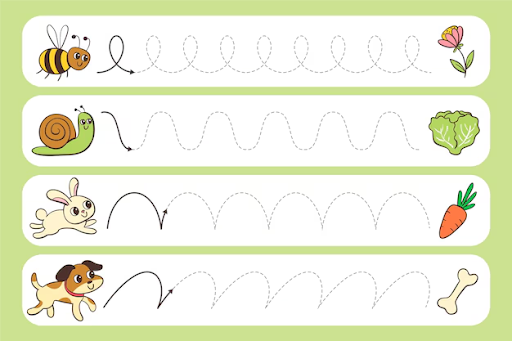
Jumping directly into letter writing can overwhelm children who struggle with handwriting. Pre-writing activities help children understand shapes, lines, and directional movement. Practicing straight lines, curves, circles, and zig-zag patterns improves control and coordination. These exercises train the brain and hand to work together, making letter formation easier and more natural as children progress.
Step 4: Introduce Letter Formation Step by Step
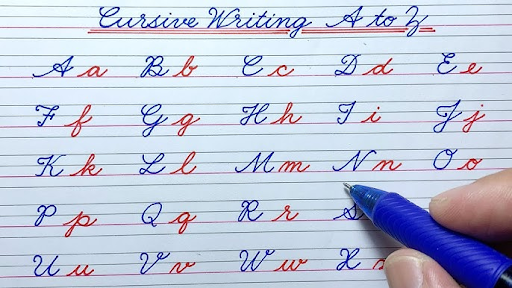
Once pre-writing skills are established, children can begin learning letter formation. Teaching letters in a structured sequence helps children understand how each letter is formed. Tracing activities, guided writing, and visual cues support correct letter direction and spacing. It is important to focus on accuracy first rather than speed. With repeated practice, children gradually develop muscle memory, leading to neater and more consistent handwriting.
Step 5: Practice Spacing, Alignment, and Writing Flow
Good handwriting is not just about forming letters—it also involves spacing between words, alignment on the line, and smooth writing flow. Children often struggle with crowded words or letters floating above or below the line. Using ruled paper, visual spacing tools, and guided exercises helps children understand where letters and words belong. Over time, these skills improve writing clarity and readability.
Step 6: Make Handwriting Practice Fun and Stress-Free
Children learn best when practice feels enjoyable rather than stressful. Forcing long writing sessions can increase frustration and anxiety. Short, engaging handwriting activities combined with positive reinforcement work far better. Creative tasks such as writing stories, drawing and labeling pictures, or practicing letters through games keep children motivated. At Nurturers, handwriting practice is always adapted to the child’s comfort level and learning style.
When to Seek Professional Help for Handwriting Difficulties?
If a child continues to struggle with handwriting despite regular practice, professional support may be needed. Occupational therapy can address underlying motor, sensory, or coordination challenges that affect writing. Early intervention helps prevent long-term academic and emotional difficulties. A structured therapy program ensures that handwriting improvement is steady, effective, and confidence-building.
How Nurturers Help Children Improve Handwriting?
At Nurturers, handwriting improvement is part of a holistic and child-centered therapy approach. Experienced occupational therapists carefully assess each child’s motor skills, posture, pencil grip, and writing patterns to understand their specific needs. Based on this assessment, personalized handwriting programs are designed to support steady and meaningful progress.
The focus goes beyond neat handwriting to include writing comfort, confidence, and functional independence in school tasks. Using evidence-based strategies and engaging, child-friendly sessions, Nurturers help children develop stronger writing skills, enjoy the writing process, and perform better academically.
Conclusion
Handwriting practice is a journey that requires patience, consistency, and the right guidance. Every child develops at their own pace, and struggles with writing do not reflect a lack of intelligence or effort. With supportive strategies, structured practice, and professional intervention when needed, children can achieve clear, confident handwriting. At Nurturers, the goal is to empower children with strong writing skills that support learning, expression, and lifelong confidence.