Speech delay refers to a condition in which a child does not develop speech and language skills at the expected age milestones. Speech includes the ability to produce sounds clearly, use words meaningfully, form sentences, and understand spoken language. When a child struggles with these abilities beyond the normal developmental range, it may indicate a speech delay. Speech delay can affect a child’s ability to express needs, interact socially, and participate in learning activities. While some children may catch up naturally, others require structured support to prevent long-term communication challenges.
What Is Speech Delay?
Speech delay is a developmental condition in which a child does not achieve speech and language milestones within the expected age range. It may involve difficulty producing sounds, using words meaningfully, forming sentences, or understanding spoken language. Speech delay can affect a child’s ability to communicate needs, express emotions, and interact socially.
Speech development is closely linked to cognitive, social, and emotional growth. When speech skills are delayed, it can impact learning, behavior, and confidence if not addressed early. While some children may naturally catch up, others require structured assessment and professional support to overcome speech delay effectively.

Common Speech Delay Symptoms in Children
Speech delay symptoms may appear differently in each child, depending on the severity and underlying cause. Some children may speak very few words or rely heavily on gestures to communicate. Others may attempt speech but struggle with pronunciation, clarity, or sentence formation. Commonly observed speech delay symptoms include:
- Limited or absent spoken words for the child’s age
- Difficulty pronouncing sounds clearly
- Slow vocabulary growth
- Trouble forming sentences
- Difficulty understanding simple instructions
- Frustration or behavioral issues due to communication challenges
Identifying these symptoms early allows families to seek timely intervention and reduce future learning difficulties.
Types of Speech Delay in Children
Speech delay is not a single condition and can present in multiple forms. Expressive speech delay occurs when a child understands language but struggles to express thoughts verbally. These children often know what they want to say but cannot communicate it clearly.
Receptive speech delay involves difficulty understanding spoken language, which can impact learning and social interaction. Some children experience mixed receptive-expressive delay, affecting both comprehension and speech. Developmental speech delay may improve with early intervention, while speech delay linked to neurological or developmental conditions often requires long-term therapy and monitoring.
Causes of Speech Delay
Speech delay can result from a variety of biological, environmental, and developmental factors. Understanding the possible causes helps in choosing the right intervention approach. Some common causes of speech delay include:
- Hearing loss or frequent ear infections
- Oral motor difficulties affecting tongue and jaw movement
- Premature birth or low birth weight
- Neurological or genetic conditions
- Limited verbal interaction or stimulation at home
- Excessive screen exposure at an early age
In some cases, autism and speech delay may occur together, making a comprehensive developmental evaluation essential.
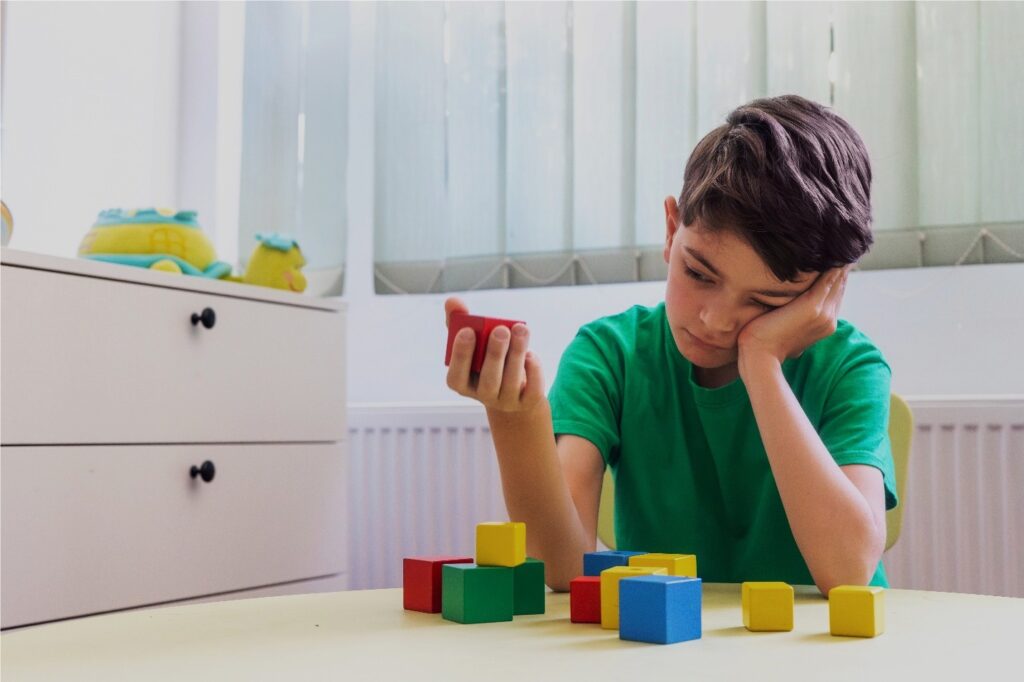
Speech Delay vs Autism – What is the Difference
Speech delay vs autism is a common concern among parents, but the two conditions are fundamentally different. Speech delay primarily affects communication skills, while autism is a neurodevelopmental condition that impacts social interaction, behavior, and communication patterns.
Children with speech delay often show appropriate eye contact, emotional connection, and interest in social interaction, even if their speech is limited. In contrast, children with autism and speech delay may exhibit reduced social responsiveness, limited eye contact, repetitive behaviors, and difficulty understanding social cues. Accurate diagnosis by developmental specialists helps distinguish speech delay vs autism and ensures the right intervention approach.
Autism and Speech Delay – How They Are Connected
Autism and speech delay frequently occur together, but they are not interchangeable terms. Many children on the autism spectrum experience delayed speech, unusual language patterns, or difficulty using language socially. However, not all children with speech delay are on the autism spectrum.
When autism and speech delay coexist, therapy focuses on improving both speech skills and social communication abilities. Intervention plans may include speech therapy, behavioral therapy, and parent training. Early identification and consistent support significantly improve communication outcomes and overall development.
Speech Delay Treatment Options
Speech delay treatment depends on the child’s age, severity of delay, and underlying cause. Early and consistent intervention leads to the best outcomes. Effective speech delay treatment options include:
- Speech and language therapy
- Parent-guided home practice programs
- Play-based communication activities
- Occupational therapy when sensory or motor issues are present
- Behavioral therapy in cases of autism and speech delay
Parent involvement plays a crucial role, as consistent practice at home reinforces progress made during therapy sessions. Early and individualized treatment plans lead to better long-term communication outcomes.
When to Seek Professional Help
Professional evaluation is recommended when speech delay symptoms persist beyond expected developmental milestones. Parents should seek help if a child is not speaking words by 18 months, not combining words by 2 years, or has difficulty understanding simple instructions.
A speech-language pathologist can assess speech and language skills, while developmental specialists can evaluate related concerns such as hearing loss or autism. Early intervention is critical, as timely support significantly reduces long-term communication and learning challenges.
How Nurturers Supports Children With Speech Delay
At Nurturers, we follow a child-centered and evidence-based approach to support children with speech delay. Our experts conduct detailed assessments to understand speech delay symptoms, identify possible causes, and determine whether concerns such as autism and speech delay are present.
We offer personalized speech delay treatment plans designed to strengthen communication skills, boost confidence, and support overall development. With experienced therapists, family involvement, and a nurturing environment, Nurturers helps children build strong communication foundations for lifelong success.