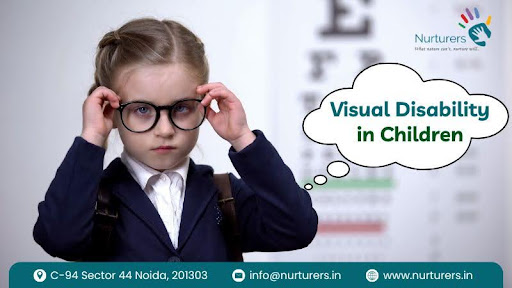
Visual disability in children is a developmental concern that affects how a child sees, understands, and responds to visual information. Vision is not limited to eyesight alone; it involves how the brain processes what the eyes perceive. When this process is disrupted, children may struggle with learning, movement, communication, and daily functioning. Many visual difficulties go unnoticed in early childhood because children may not be able to express what they see or feel. Early identification and therapy play a crucial role in supporting visual development and preventing long-term academic and emotional challenges.
What Is Visual Disability in Children
Visual disability refers to a condition in which a child has difficulty using vision efficiently, even when basic eyesight may appear normal. It can affect visual clarity, hand-eye coordination, depth perception, visual memory, and visual processing speed. Some children may have visible eye conditions, while others experience challenges related to how the brain interprets visual input. Visual disability may present in different forms, including:
- Reduced visual acuity or blurred vision
- Difficulty coordinating both eyes together
- Poor visual tracking and focusing
- Challenges in visual perception and interpretation
- Sensitivity to light or visual overload
Because vision supports most early learning activities, even mild visual difficulties can significantly impact a child’s overall development.

Common Causes of Visual Disability
Visual disability can arise from a wide range of medical, neurological, and developmental factors. Some children are born with visual challenges, while others develop them over time. Common causes include:
- Genetic conditions or congenital eye disorders
- Premature birth or birth-related complications
- Neurological conditions affecting the visual pathway
- Developmental disorders such as autism spectrum disorder or ADHD
- Brain injuries or infections affecting visual processing
- Delayed visual maturation in early childhood
In many cases, visual disability is not caused by the eyes themselves but by how the brain processes visual information, which makes professional assessment essential.
Early Signs of Visual Disability in Children
Early signs of visual disability can vary depending on the child’s age and the severity of the condition. Parents and caregivers are often the first to notice subtle difficulties during daily activities. Some common early warning signs include:
- Poor or inconsistent eye contact
- Difficulty recognizing familiar faces or objects
- Frequent eye rubbing, squinting, or blinking
- Trouble tracking moving objects
- Delayed crawling, walking, or poor balance
- Avoidance of drawing, puzzles, or reading activities
- Difficulty copying shapes, letters, or numbers
As children grow older, visual disability may appear as learning difficulties, reduced attention span, frustration during schoolwork, or low confidence in classroom settings.
Impact of Visual Disability on Learning and Daily Life
Visual disability can significantly affect a child’s academic performance and daily functioning. Since most classroom learning is visually driven, children may struggle to follow instructions, understand visual materials, or complete written tasks efficiently. Possible impacts include:
- Delayed reading and writing skills
- Poor handwriting and spacing issues
- Difficulty understanding diagrams and visual instructions
- Reduced participation in classroom activities
- Challenges in sports and physical coordination
- Emotional difficulties such as anxiety or low self-esteem
Without early support, these challenges may compound over time, leading to academic stress and behavioral concerns.
Importance of Early Diagnosis and Assessment
Early diagnosis allows therapists to intervene during critical developmental periods when the brain is most adaptable. A comprehensive visual and developmental assessment helps identify the specific areas of difficulty and guides targeted intervention. Early assessment helps in:
- Understanding the root cause of visual challenges
- Preventing secondary learning and behavioral issues
- Designing personalized therapy plans
- Supporting smoother school readiness and transitions
At Nurturers, assessments focus on the child’s functional vision and overall development rather than just eye tests.
How Therapy Helps Children with Visual Disability?
Therapy aims to strengthen visual skills and improve how children use vision in everyday tasks. Through structured, play-based, and goal-oriented activities, therapy helps children build strong visual foundations that support learning and independence. Therapeutic intervention may help improve:
- Eye coordination and visual tracking
- Focus, attention, and visual endurance
- Visual memory and perception
- Hand-eye coordination and motor planning
- Academic skills such as reading and writing
With consistent therapy, children learn to process visual information more effectively and gain confidence in their abilities.
Role of Vision Therapy and Occupational Therapy
Vision therapy focuses on improving how the eyes and brain work together. It uses specialized exercises to strengthen visual processing, focusing, and coordination. Occupational therapy complements vision therapy by helping children apply these visual skills to daily activities and school tasks. Together, these therapies support:
- Improved visual-motor integration
- Better posture and body awareness
- Enhanced fine motor and writing skills
- Increased independence in daily routines
This integrated approach ensures that improvements in vision translate into meaningful functional outcomes.
Parental Involvement and Home Support
Parental involvement plays a vital role in a child’s therapy journey. When parents understand their child’s visual needs, they can provide consistent support at home. Therapists may guide parents on:
- Simple visual activities for home practice
- Creating a visually supportive environment
- Reducing visual distractions
- Encouraging confidence and positive reinforcement
At Nurturers, parents are considered active partners in the therapy process.
How Nurturers Support Children with Visual Disability?
Nurturers offers individualized, child-centered therapy programs designed to address each child’s unique needs. A multidisciplinary team works collaboratively to ensure comprehensive care and consistent progress. Support at Nurturers includes:
- Detailed assessments and personalized therapy plans
- Evidence-based therapeutic techniques
- Family guidance and regular progress tracking
- A nurturing and supportive environment
The focus is on helping children function confidently at home, school, and in social settings.
Conclusion
Visual disability in children can affect learning, behavior, and emotional well-being, but with early identification and the right therapeutic support, children can thrive. Therapy helps strengthen visual skills, improve academic performance, and build confidence. At Nurturers, the goal is to empower children and families through early intervention, expert care, and compassionate support—ensuring every child has the opportunity to learn, grow, and succeed.