Parents often compare their child’s speech with others and worry when words do not come on time. Questions like “Is my child late?” or “Should I wait or seek help?” are extremely common. Speech development is closely linked with brain growth, social interaction, and emotional development. Understanding when children usually start talking, what early signs to look for, and when delays require attention can help parents make informed decisions. At Nurturers, we aim to provide clear, reliable, and expert-backed information to support families across India.
What Is Speech and Language Development?
Speech and language development refers to how children learn to understand language and use words, sounds, and gestures to communicate. Language development includes listening, understanding, and forming ideas, while speech development focuses on producing sounds and words clearly. This process begins at birth and continues throughout early childhood, forming the foundation for learning, behavior, and social skills.
At What Age Do Children Start Talking?
Most children begin saying their first meaningful words between 12 and 18 months of age. However, speech development starts much earlier through sounds, gestures, and social interaction. Typical speech milestones include:
- Responding to sounds and familiar voices during early infancy
- Babbling with repeated sounds like “ba-ba” or “da-da” by 6–9 months, which helps strengthen speech muscles
- Using gestures such as pointing, waving, or showing objects by around 12 months to communicate needs
- Saying first meaningful words between 12–18 months, often naming people or objects
- Combining two words by 24 months to express simple ideas or requests
- Speaking in short sentences and asking basic questions by 3 years
These age ranges are developmental guidelines rather than strict rules. Some children may reach milestones slightly earlier or later, and this variation can be normal. What matters most is steady progress in communication skills over time.

Early Communication Signs Before Talking
Speech development begins long before a child says words. Parents may notice early communication behaviors such as:
- Eye contact and social smiling, which show interest in people and social connection
- Turning toward familiar voices or sounds, indicating auditory awareness
- Imitating sounds, facial expressions, or simple actions during interaction
- Using gestures such as pointing, waving, or reaching out to express needs and interests
- Understanding simple instructions or familiar words, even before speaking
These signs indicate that the child is building the foundation required for speech and language development.
When Is Speech Delay a Concern?
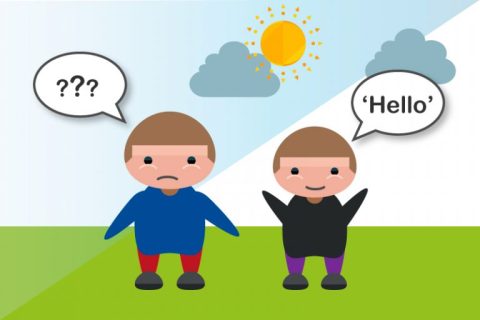
A speech delay is considered when a child does not meet expected speech milestones for their age. While some variation in development is normal, consistent delays in communication skills may indicate the need for professional evaluation. Parents may become concerned when they notice:
- No babbling or sound play by around 9 months
- No clear or meaningful words by 18 months
- No two-word combinations, such as “want milk,” by 2 years
- Limited understanding of spoken language or difficulty following simple instructions
- Frustration, tantrums, or behavior issues due to difficulty expressing needs
Early identification of these signs is important because timely speech and language intervention can significantly improve communication skills, reduce frustration, and support overall development.
Common Causes of Speech and Language Delays
Speech delays can occur for multiple reasons, and understanding the cause helps in choosing the right treatment. Common contributing factors include:
- Hearing difficulties or frequent ear infections
- Limited interaction or reduced verbal stimulation
- Excessive screen exposure
- Oral motor or speech sound difficulties
- Developmental conditions such as autism spectrum disorder or global developmental delay
A professional assessment is essential to identify the underlying cause accurately.
Red Flags Parents Should Not Ignore
Some signs in a child’s communication and behavior, often referred to as red flag signs of autism, may indicate the need for early professional evaluation. These signs should not be overlooked, especially when they appear consistently over time.
- Poor eye contact or limited social interaction, where the child avoids looking at people or shows little interest in engaging with others
- Lack of response to name, even when called repeatedly, which may indicate hearing or attention-related concerns
- Minimal use of gestures, such as pointing, waving, or showing objects to communicate needs or interests
- Regression or loss of previously learned words, where a child stops using words or sounds they were using earlier
- Speech that is unclear for the child’s age, making it difficult for familiar people to understand the child’s speech
Recognizing and addressing these red flags early allows timely intervention, which can greatly improve a child’s communication abilities, social skills, and overall development.
Why Early Intervention Matters?
Early intervention works because the brain is highly adaptable during the early years. Benefits of starting speech therapy early include:
- Faster improvement in communication skills
- Better emotional regulation and reduced frustration
- Improved social interaction and confidence
- Stronger foundation for academic learning
Children who receive timely support often require less intensive therapy later in life.
How Nurturers Help Children Start Talking?
At Nurturers, we offer individualized speech and language therapy programs designed to support each child’s unique needs. Our approach includes:
- Detailed speech and language assessments
- Play-based and child-centered therapy sessions
- Parent training and home-based strategies
- A nurturing environment focused on holistic development
We support families across India with expert care and compassionate guidance.
How Parents Can Support Speech Development at Home?
Daily interaction plays a vital role in helping children develop speech. Parents can support communication by:
- Talking frequently during daily routines
- Reading age-appropriate storybooks
- Encouraging turn-taking in conversation
- Limiting screen time and increasing face-to-face interaction
- Praising all communication attempts
Consistent support at home complements professional therapy and accelerates progress.
Frequently Asked Questions About Children Talking
Does late talking always mean autism?
No, late talking does not always mean autism. Many children with speech delay do not have autism and improve with early speech therapy.
Can bilingual environments cause speech delay?
No, exposure to more than one language does not cause speech delay. Children may take slightly longer to speak but usually develop strong language skills.
Is it normal if my child understands but does not speak much?
Yes, this can happen in expressive language delay, but evaluation is recommended to support speech development.
Do boys start talking later than girls?
Boys may start slightly later, but significant delays should not be ignored based on gender.
When Should You See a Speech Therapist?
Parents should consult a speech therapist if they feel uncertain or worried about their child’s communication skills. You do not need to wait for a diagnosis to seek help. Early evaluation provides clarity, direction, and reassurance.
Conclusion
Every child’s speech journey is unique, but awareness and timely action make a significant difference. Understanding milestones, early signs, and possible delays empowers parents to support their child effectively. If you have concerns about your child’s speech or language development, early professional guidance can help unlock their communication potential. At Nurturers, we are committed to helping every child find their voice through expert care and compassionate support.