
Understanding how autism evolves with age is one of the biggest concerns for parents. Autism itself does not “get worse,” but its challenges can become more visible or harder to manage if early signs are ignored and timely intervention is not provided. Children grow, their environments become more demanding, and developmental gaps may widen—making symptoms appear more prominent. This is why recognizing early signs and responding promptly is crucial for long-term progress.
Early indicators such as delayed speech, limited eye contact, repetitive behaviors, difficulty with social interaction, and unusual sensory responses should never be overlooked. These early signs often show up in toddlers as subtle differences in communication, play, and behavior. When these signs are detected early, parents can begin appropriate therapies like speech therapy, occupational therapy, play-based intervention, and behavior therapy. Early intervention strengthens a child’s communication, social, and learning skills, reducing the intensity of challenges as they grow older.
Does Autism Get Worse With Age?
Autism is a neurodevelopmental condition, not a degenerative disorder. This means the brain does not “decline” or “deteriorate” with age due to autism. Instead, the brain processes information differently from the beginning.
As children grow, life becomes more complex—academics increase, social interactions expand, and expectations rise. If a child struggles with communication, sensory modulation, or emotional regulation, these difficulties may appear more intense because the world around them becomes more demanding. This shift in expectations—not autism itself—makes challenges appear greater. Children who receive early diagnosis and consistent therapy often show improved communication, better sensory regulation, and stronger social abilities as they grow. Research confirms that timely intervention leads to long-term functional gains.
Why Autism Seems to Get Worse With Age?
Parents sometimes observe increased behavioural or social difficulties as their child grows, especially when entering preschool or primary school. This is because unaddressed early challenges start interacting with new expectations.
Children may struggle with group activities, following instructions, managing transitions, or understanding peer interactions. A child who copes well at home may suddenly face increased anxiety or frustration in structured environments. Emotional outbursts, rigid routines, and sensory overload can also become more frequent during school years or adolescence if the child does not learn coping strategies.
In reality, nothing has “worsened.” The child is simply overwhelmed by developmental demands they are not yet equipped to handle. This is exactly where therapy makes a major difference.

Early Signs of Autism That Parents Should Never Ignore
Early identification is the key to preventing future challenges. The earliest signs may appear from 12 months onwards, and by age 2–3, differences become clearer.
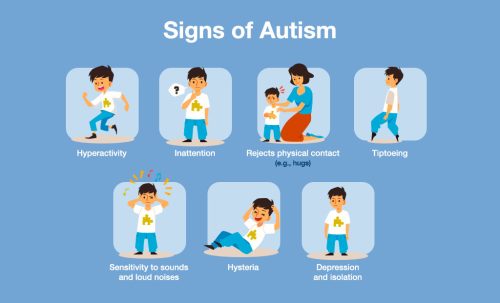
Many children show reduced eye contact or may not respond to their name even when hearing is normal. Parents may notice that their child prefers to play alone or seems lost in their own world. Speech delays are one of the most commonly missed signs. A child may speak very few words or rely on gestures rather than verbal communication. Others may learn words but have difficulty using them meaningfully in conversation.
Some children develop repetitive patterns such as hand-flapping, lining up toys, spinning objects, or repeating certain movements. Sensory differences—like covering ears, avoiding touch, staring at lights, or seeking deep pressure—are also important markers. Recognising these signs early allows parents to begin intervention during the most critical period of brain development.
How Autism Symptoms Change Across Different Age Groups?
Autism evolves with the child’s developmental stage. Understanding these shifts helps parents know what to expect. In early childhood, delays in speech, difficulty engaging socially, limited play skills, or trouble with joint attention (like pointing or showing objects) are common.
In preschool and primary school, challenges may include difficulty taking turns, following classroom rules, or managing social cues. Children may also struggle with handwriting, sitting tolerance, fine motor tasks, or sensory triggers like noise or touch.
During adolescence, hormonal changes and social pressures can increase anxiety, rigidity, emotional outbursts, or withdrawal. Teenagers may find it difficult to navigate friendships, classroom expectations, or independence-related tasks. With the right support, children at each stage can develop skills that make daily functioning more manageable and meaningful.
How Lack of Early Support Can Make Autism Challenges Worse?
Early childhood is the most crucial phase for intervention. When therapy is delayed, small developmental gaps widen with age. A child with mild speech delay at 2 years may develop behavioural issues at 4 years due to frustration. A child with sensory challenges at 3 may face learning difficulties at 6 if these issues are not addressed.
Delayed intervention often leads to:
- Increasing anxiety, frustration, or emotional outbursts.
- Reduced social participation.
- Academic struggles.
- Lower self-esteem.
- Difficulty managing transitions and routines.
- Limited independence in daily activities.
This is why early therapy is not just helpful—it is transformative.
How Early Intervention Helps Children Improve?
Early Intervention uses structured, personalised therapeutic programs to strengthen communication, social skills, sensory regulation, behaviour, and cognitive development.
Through Speech Therapy, children learn expressive and receptive language skills, social communication, and functional interaction. Occupational Therapy helps build sensory processing, motor coordination, body awareness, and independence in daily activities. Behaviour Therapy addresses emotional regulation, routines, transitions, and adaptive behaviour.
When therapy is introduced early, neural connections grow stronger, allowing children to learn skills faster and with better long-term outcomes. Early intervention significantly reduces the intensity of future challenges.
How Nurturers Supports Children at Every Stage?
At Nurturers, every child receives a customised developmental plan based on their strengths, sensory profile, and learning style. For toddlers, we focus on language development, sensory integration, and play-based learning. For school-age children, we emphasise academic readiness, social skills, handwriting, behaviour regulation, and problem-solving abilities. For older children, we strengthen emotional resilience, adaptive behaviour, self-care, and life skills.
Parents are guided through home programs, behaviour strategies, sensory routines, and communication techniques so progress continues beyond therapy sessions. Our goal is not only to reduce challenges but to build confidence, independence, and meaningful progress at every age.
Conclusion
Autism does not worsen with age, but developmental challenges can intensify when early signs are overlooked. With timely intervention, structured therapies, and consistent support, children can learn essential skills that help them communicate, interact, and thrive throughout their lives.
At Nurturers – Noida’s most trusted Autism & Neurodevelopmental Centre, we believe that early action creates lifelong change. When parents recognise signs early and choose specialised support, their child receives the best chance to grow, develop, and achieve their fullest potential.