What is occupational therapy, and why is it important in everyday life? Occupational therapy is a specialized healthcare service that helps individuals develop, recover, or maintain the skills needed for daily living and working.
From children struggling with developmental delays to adults recovering from injuries, occupational therapy plays a crucial role in improving independence and quality of life. When looking for the best occupational therapist in India, it’s important to choose professionals who offer personalized and evidence-based care. At Nurturers, founded by Swati Suri, a special educator with 10+ years of experience, the focus is on personalized care that supports individuals at every stage of life.
What is Occupational Therapy?
Occupational therapy (OT) is a healthcare profession that helps people of all ages regain or improve independence in daily activities—or “occupations”—following illness, injury, or developmental delays.
These “occupations” are not just jobs but everyday tasks such as eating, dressing, writing, learning, and interacting with others. The goal is to help individuals live more independently and participate fully in their daily lives.
Therapists evaluate each person’s needs and create structured plans to support their physical, cognitive, and emotional development.
OT Meaning in Medical & Full Form
In the medical field, OT stands for Occupational Therapy. It is an essential part of rehabilitation and healthcare services.
The meaning of OT in medical terms focuses on helping individuals regain or improve their ability to perform daily tasks after injury, illness, or developmental challenges. It plays a key role in hospitals, clinics, schools, and rehabilitation centers.
What Does an Occupational Therapist Do?
An occupational therapist helps individuals improve their ability to perform everyday activities with confidence.
Daily Responsibilities
- Assess physical, cognitive, and sensory abilities
- Design personalized therapy plans
- Conduct guided activities and exercises
- Monitor and adjust progress
Work Settings
- Schools
- Hospitals
- Rehabilitation centers
- Homes
Skills They Help Develop
- Fine motor skills (writing, gripping)
- Sensory processing
- Social interaction
- Self-care routines
At Nurturers, therapy sessions are designed using evidence-based methods to ensure measurable and consistent improvement.
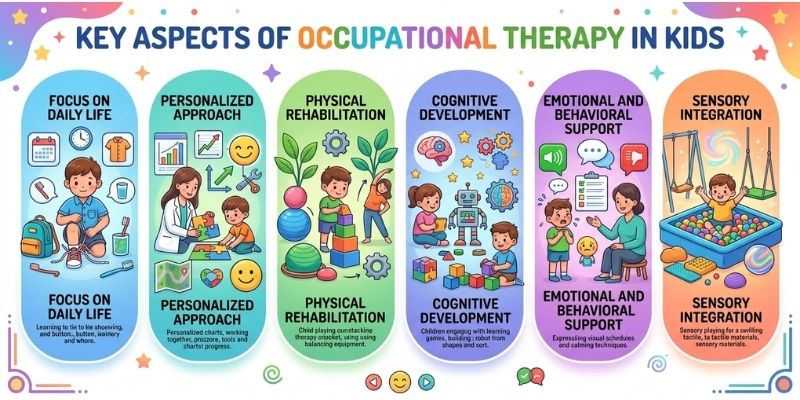
Key Aspects of Occupational Therapy
This therapy is built around a few essential principles that make it effective and personalized for every individual:
Focus on Daily Life
The primary goal is to improve a person’s ability to perform everyday tasks. Instead of only treating symptoms, therapy focuses on practical skills like self-care, school activities, work tasks, and social interaction. This ensures that improvements directly impact real-life situations.
Personalized Approach
Every individual has unique needs, challenges, and goals. Therapists design customized plans based on age, abilities, and lifestyle. At Nurturers, this individualized approach ensures that each child or adult receives the right support for meaningful progress.
Physical Rehabilitation
This aspect focuses on improving strength, balance, coordination, and motor skills. It is especially helpful for individuals recovering from injuries, surgeries, or physical conditions.
Cognitive Development
Therapy also supports brain functions such as memory, attention, problem-solving, and decision-making. This is particularly beneficial for children with learning difficulties or individuals recovering from neurological conditions.
Emotional and Behavioral Support
Managing emotions and behavior is a key part of overall well-being. Therapy helps individuals develop coping strategies, improve self-regulation, and build confidence in social situations.
Sensory Integration
Some individuals may struggle to process sensory information like touch, sound, or movement. Therapy uses structured activities to help the brain respond appropriately to sensory input, improving comfort and focus in daily environments.
Types of Occupational Therapy
Occupational therapy includes different types of support designed to meet the unique needs of individuals at various stages of life. Each type focuses on improving daily functioning, independence, and overall well-being.
Pediatric Occupational Therapy
Pediatric occupational therapy focuses on helping children develop essential life skills. It supports those with developmental delays, sensory processing issues, and learning difficulties. The goal is to improve abilities such as writing, coordination, social interaction, and self-care so children can perform better at home and in school.
Geriatric Occupational Therapy
Geriatric occupational therapy is designed for older adults who may face challenges due to aging. It helps maintain independence by improving mobility, memory, and daily living skills. This type of support is especially useful for managing age-related conditions and ensuring a better quality of life.
Mental Health Occupational Therapy
This type focuses on improving emotional and psychological well-being. It helps individuals manage stress, anxiety, and behavioral challenges by building coping strategies, improving focus, and encouraging positive daily routines.
Rehabilitation Occupational Therapy
Rehabilitation occupational therapy supports individuals recovering from injuries, surgeries, or medical conditions. It helps restore strength, coordination, and the ability to perform daily tasks independently, making the recovery process smoother and more effective.
Occupational Therapy Examples
Here are some practical examples of activities used in therapy:
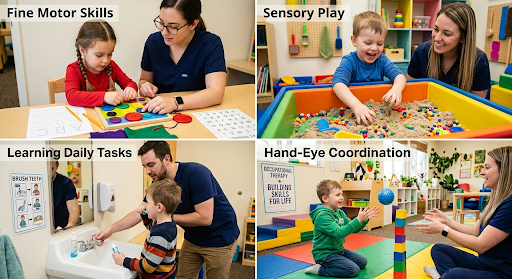
- Practicing writing or buttoning clothes to improve fine motor skills
- Sensory play activities to improve response to stimuli
- Learning daily routines like brushing teeth or dressing
- Hand-eye coordination exercises such as catching or stacking objects
These activities are tailored to individual goals and abilities.
What is Occupational Therapy for Kids?
Occupational therapy for kids focuses on supporting a child’s overall growth and development by helping them build essential life skills needed for everyday activities. It enables children to participate more confidently in learning, play, and daily routines.
Why It Matters
Early support helps children develop the foundational skills required for independence. It improves their ability to perform tasks at home, in school, and in social environments.
Skills Targeted
Therapy sessions are designed to improve:
- Writing and drawing skills
- Social interaction and communication
- Self-care habits like dressing and eating
Challenges Addressed
It is especially helpful for children facing:
- Developmental delays
- Sensory processing difficulties
- Learning challenges
What is Occupational Therapy for Toddlers
For toddlers, therapy focuses on early developmental milestones. It helps improve basic skills such as walking, holding objects, coordination, and early communication, ensuring a strong foundation for future growth.
What is Occupational Therapy for Babies
In infants, therapy supports early sensory development, movement, and interaction. It helps babies respond better to their environment and develop essential motor and bonding skills.
What is Occupational Therapy in School
In school settings, therapy helps children succeed academically and socially. It focuses on improving handwriting, attention span, classroom participation, and interaction with peers.
What is Occupational Therapy for Autism?
This therapy plays a crucial role in supporting children with autism by helping them develop independence and essential life skills.
How It Helps
- Establishes structured daily routines
- Encourages independence in everyday tasks
Interventions Used
- Sensory-based activities to manage responses
- Behavioral strategies to improve actions and reactions
Skill Development
- Communication and expression
- Social interaction and relationship-building
At Nurturers, therapy plans are personalized to match each child’s strengths and needs, ensuring effective and meaningful progress.
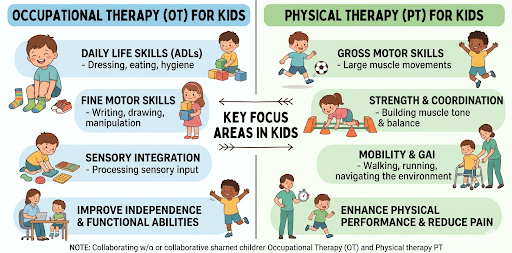
What is Occupational Therapy vs Physical Therapy
Although both therapies aim to improve quality of life, they focus on different areas.
Key Differences
- Occupational therapy focuses on improving daily life skills and independence
- Physical therapy focuses on movement, strength, and physical recovery
When to Choose Each
- Choose occupational therapy for functional and daily activity support
- Choose physical therapy for mobility and physical rehabilitation
Overlap
In many cases, both therapies work together to provide a more comprehensive and effective outcome.
Common OT Interventions
Therapists use a variety of techniques based on individual needs, including:
- Sensory integration activities
- Use of adaptive tools and assistive equipment
- Cognitive skill-building exercises
- Motor coordination and strengthening tasks
Who Might Need Occupational Therapy?
This therapy is beneficial for individuals across all age groups, including:
- Children with developmental or learning challenges
- Individuals recovering from injury or surgery
- Older adults needing support in daily activities
- People with physical, cognitive, or sensory conditions
What Can Occupational Therapy Do for You?
It helps individuals lead more independent and fulfilling lives by:
- Improving ability to perform daily tasks
- Enhancing overall quality of life
- Building confidence in routine activities
- Supporting better functioning at home, school, and work
Benefits of Occupational Therapy
Physical Benefits
- Improved coordination
- Better strength and mobility
Mental Health Benefits
- Reduced stress and anxiety
- Improved focus
Social Benefits
- Better communication skills
- Enhanced social interaction
Conclusion
Getting the right support at the right time can make daily life easier and more meaningful. This approach focuses on building practical skills that help individuals become more independent and confident in their routines.
Whether it’s a child developing essential abilities, a student improving performance in school, or an adult recovering after an injury, consistent guidance can lead to lasting progress.
At Nurturers, led by Swati Suri, the focus is on understanding each individual’s needs and providing personalized care backed by over a decade of experience in special education.
If you’re considering support for yourself or your child, taking that first step toward professional guidance can open the door to steady growth and a better quality of life.