How to Identify the First Autistic Signs in Newborns?
Autism Spectrum Disorder

How to Identify the First Autistic Signs in Newborns?

Identifying the earliest signs of autism in newborns can be challenging, as babies are still developing basic motor, sensory, and communication skills. However, understanding subtle behavioural patterns and developmental cues can help parents, caregivers, and early childhood professionals recognise when a child may need closer observation or early intervention. The goal of early identification is…
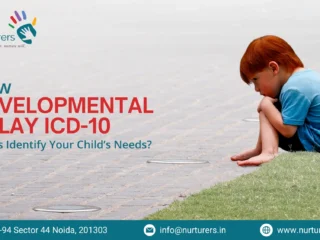
How Developmental Delay ICD-10 Helps Identify Your Child’s Needs?
Child Development

How Developmental Delay ICD-10 Helps Identify Your Child’s Needs?

Developmental delay occurs when a child does not achieve expected milestones in areas like speech, movement, learning, or social interaction. Because these delays can vary widely from one child to another, professionals rely on the Developmental Delay ICD-10 codes—a standardized international classification used to accurately identify the type and extent of a child’s delay. These…

Can Autism Get Worse With Age
Autism Spectrum Disorder

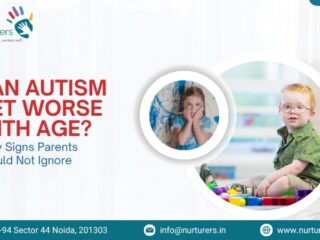
Can Autism Get Worse With Age? Early Signs Parents Should Not Ignore

Understanding how autism evolves with age is one of the biggest concerns for parents. Autism itself does not “get worse,” but its challenges can become more visible or harder to manage if early signs are ignored and timely intervention is not provided. Children grow, their environments become more demanding, and developmental gaps may widen—making symptoms…

Types of Play Therapy
Play Therapy

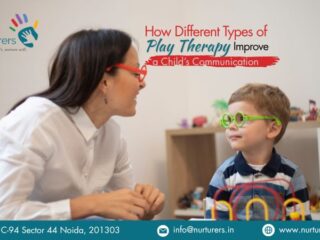
How Different Types of Play Therapy Improve a Child’s Communication?

Play therapy is a powerful and evidence-based approach that uses play — the most natural form of expression for children — to nurture communication, emotional growth, and social development. Through various forms of play therapy, such as child-centered play therapy, sand play, art-based therapy, and cognitive-behavioral play therapy, children are given a safe, supportive environment…

Neurodevelopmental Therapy
Neurodiverse

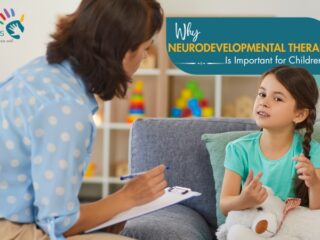
Why Neurodevelopmental Therapy Is Important for Children?

Neurodevelopmental Therapy (NDT) is a scientifically designed therapeutic approach that focuses on improving the brain’s ability to control movement and function. It is especially important for children with neurological conditions such as cerebral palsy, developmental delays, Down syndrome, or other motor coordination disorders. The primary goal of NDT is to help children achieve greater independence…

Occupational Therapy Rooms
Occupational Therapy

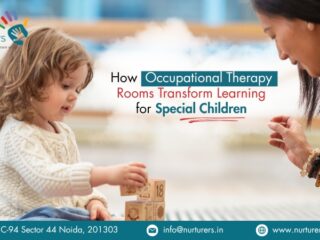
How Occupational Therapy Rooms Transform Learning for Special Children

Occupational therapy rooms play a crucial role in transforming the learning experience for special children by providing a structured, engaging, and sensory-friendly environment. These specially designed spaces are equipped with essential occupational therapy equipment such as swings, balance boards, sensory mats, and fine motor tools that help children develop coordination, focus, and confidence. Through a…

Motor Skills Activities
Motor Skills

Fun and Effective Motor Skills Activities for Kids

Fun and Effective Motor Skills Activities for Kids” delves into exciting and educational ways to help children build essential movement skills through play. Developing motor skills is a key part of early childhood growth, influencing everything from physical strength and coordination to focus and confidence. This blog explains the difference between fine motor skills activities—which…

Concept of Inclusive Education
Special Education

Why the Concept of Inclusive Education Matters for Your Child’s Growth?

Inclusive education is a progressive approach that ensures every child, regardless of their abilities or challenges, has access to quality education in a supportive and understanding environment. Understanding what is inclusive education is essential for parents, educators, and society as a whole. It is not just about placing children with disabilities in mainstream classrooms but…